Source Double Wall Insulated Glass Straw Cup with Cover for Office, Coffee, and Juice
Explore 30 listings for the Double Wall Insulated Glass Straw Cup with Cover, featuring options with handles, lids, and custom logos. Buyers can compare capacities, glass types, and OEM services from verified Chinese manufacturers.
Key considerations
Products List


Eco-Friendly Insulated Double Wall Glass Cup with High Borosilicate Glass
$0.70 - $0.85
MOQ: 500 Pieces


Double Wall Insulated Borosilicate Coffee Glass Cup Set Bamboo Glass Water Bottle
$0.22 - $0.55
MOQ: 500 Pieces


Comprehensive Sourcing Guide
Strategic Sourcing Guide for Double Wall Insulated Glass Straw Cups with Covers
Navigating the global market for double wall insulated glass straw cups with covers requires a disciplined approach to verify technical specifications, compliance standards, and supplier capabilities. The core keyword represents a specific intersection of thermal insulation technology, glass material science, and functional design. Buyers must distinguish between generic glassware and products engineered for temperature retention, as the "double wall" attribute fundamentally alters the product's performance profile compared to single-wall alternatives. This guide synthesizes observed market data and technical attributes to provide a framework for evaluating potential suppliers without relying on unverified claims or external assumptions.
Technical Architecture and Material Specifications
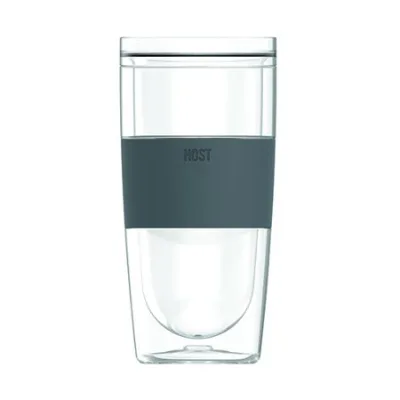
The defining characteristic of a double wall insulated glass cup is the air gap between two layers of glass, which significantly reduces heat transfer. This design is critical for maintaining the temperature of hot beverages like coffee or tea while keeping the exterior surface cool to the touch. In the current market, the primary material observed for these high-performance items is high borosilicate glass. This material is preferred over standard soda-lime glass due to its superior thermal shock resistance, allowing the cup to withstand rapid temperature changes without cracking.
When evaluating technical specifications, buyers should verify the exact dimensions and capacity. Market observations indicate a capacity range spanning from 10 oz to 12 oz for similar insulated models, with specific product models like JH-105 and JH-61 representing different volume tiers. The shape of the vessel is equally variable; while cylindrical shapes are common for standard office use, the market also includes rectangular and irregular shapes designed for creative or aesthetic appeal. The "Double Wall" attribute is often paired with specific production techniques such as screen printing or decal decoration (DECORATED), which must be applied carefully to ensure they do not compromise the structural integrity of the glass.
The inclusion of a cover and straw accessories transforms the basic cup into a complete drinking system. Observed listings confirm that cup accessories can include handles, covers, or both. The presence of a handle is a distinct feature for office environments, whereas a cover is essential for preventing spills and retaining heat. The manufacturing process for these complex geometries often requires opening new molds, particularly for special shapes and sizes. This implies that customization is a significant driver of the product's technical architecture, as standard molds may not accommodate unique straw integration or specific cover designs.
Compliance, Certification, and Regulatory Standards
In the realm of food-contact glassware, certification is not merely a marketing claim but a prerequisite for market access, particularly in regions with strict safety regulations. The most prominent certification observed in the current supply chain is LFGB (Lebens- und Bedarfsgegenständegesetz), a German standard that is widely recognized as a benchmark for food safety. This certification ensures that the materials used in the glass, the cover, and any attached accessories do not leach harmful substances into beverages.
Buyers must also scrutinize the Harmonized System (HS) codes associated with the product to ensure accurate classification for import and export. The observed market data presents two distinct HS codes: 71090 and 701090. While 701090 typically relates to glass containers, the presence of 71090 in the data suggests potential variations in classification depending on the specific composition or accessory integration. Discrepancies in HS codes can lead to customs delays or incorrect duty assessments, making it vital for procurement teams to verify the correct classification for their specific product configuration before finalizing orders.
Furthermore, the product standard is often defined by capacity ranges, such as 100-1000ml, or physical dimensions like 101015cm and 121212cm. These standards serve as the baseline for quality control. When a supplier claims compliance, buyers should request the specific test reports that validate these standards. The "Heat Resistant Glass" feature mentioned in product descriptions must be backed by thermal shock testing data, confirming that the high borosilicate material meets the necessary resistance thresholds for commercial use.
Cost Drivers and Pricing Dynamics
The pricing structure for double wall insulated glass cups is influenced by several complex factors, primarily material costs, manufacturing complexity, and customization levels. The observed price range in the market spans from $0.10 to $4.00 USD, a wide variance that reflects differences in glass thickness, mold complexity, and decoration techniques. Lower-priced items often utilize standard molds and basic screen printing, while higher-priced units may feature hand-blown craftsmanship, intricate decal decorations, or custom mold development.
The Minimum Order Quantity (MOQ) is a critical cost driver. Data indicates an MOQ range from 10 to 5,000 pieces. For buyers seeking custom designs, the requirement to "open the moulds" typically necessitates a higher MOQ to amortize the cost of the new tooling. The "Special Shape and Size Need to Open The Moulds" attribute suggests that non-standard geometries will inherently carry a higher unit cost and a higher entry threshold for production. Conversely, standard cylindrical or rectangular shapes may be available at lower MOQs, making them more accessible for smaller buyers or initial market testing.
Packaging also impacts the final landed cost. Products are typically shipped in carton boxes, often stacked on pallets. The efficiency of the packing design, such as the use of "Carton Box/Pallet" or "Carton and Pallet" configurations, affects shipping volume and freight costs. Buyers should evaluate whether the packaging is optimized for the specific dimensions of the cup to minimize void space and reduce transportation expenses. Additionally, the trade terms, such as EXW (Ex Works), FOB (Free on Board), or CIF (Cost, Insurance, and Freight), will determine where the cost burden shifts from the supplier to the buyer, influencing the total procurement budget.
Typical Applications and Usage Scenarios
The versatility of double wall insulated glass cups with covers makes them suitable for a diverse range of applications. The primary usage identified in the market is for "Glass Office Cup" scenarios, where the combination of heat resistance and spill prevention is essential for professional environments. The ability to keep coffee hot for extended periods without burning the user's hand is a key functional benefit in office settings.
Beyond the office, these cups are increasingly popular for "Coffee Drinking" applications, including specialty coffee shops and home use. The "Double Wall Espresso Glasses" designation highlights a specific niche where the aesthetic of the glass is as important as its thermal properties. The "Creative" and "Simple" styles observed in the market cater to different consumer preferences, allowing brands to select a design that aligns with their identity.
The inclusion of a straw and cover also positions these products for "Juice Cup" applications, expanding their utility beyond hot beverages. The "Colorless" and "Colored" options allow for branding opportunities, where the cup itself becomes a marketing tool. The "Printed" fancy attribute suggests that these cups can be customized with logos or patterns, making them ideal for promotional events, corporate gifts, or retail branding. The "Hand Blown" craft attribute adds a premium tier to the product line, targeting high-end markets where artisanal quality is a primary selling point.
Supplier Evaluation and Verification Protocols
Evaluating suppliers for double wall insulated glass products requires a rigorous due diligence process. The first step is verifying the origin of the goods. The majority of observed products originate from China, with specific mentions of Hebei as a manufacturing hub. While "Made in China" is a common descriptor, buyers should seek more granular location data to assess the logistics and potential supply chain risks associated with specific regions.
Supplier capabilities regarding customization are paramount. The "OEM Service: Yes, Available" and "OEM&ODM: Acceptable" attributes indicate that many suppliers offer design and manufacturing flexibility. However, buyers must confirm the extent of this service. Does the supplier handle the entire process from mold design to final packaging, or do they rely on third-party decorators? The "Customization: Available" attribute should be validated by reviewing the supplier's portfolio of previous custom projects, particularly those involving special shapes or complex cover mechanisms.
Quality control is another critical evaluation metric. Buyers should inquire about the supplier's internal testing procedures for thermal shock resistance and lead content. The "LFGB" certification is a strong indicator of compliance, but it should be supported by valid, up-to-date certificates. Additionally, the "Logo: Customize Logo Acceptable" feature requires a clear understanding of the decoration process. Whether it is screen printing or decal decoration, the supplier must demonstrate that the logo application is durable and does not peel or fade after repeated washing.
Long-Term Procurement and Quality Assurance
Sourcing double wall insulated glass cups is not a one-time transaction but a long-term partnership that requires ongoing quality assurance. The "Mould" attribute indicates that custom designs involve significant upfront investment. Once a mold is opened, it becomes a sunk cost that ties the buyer to a specific supplier unless the mold ownership is explicitly transferred. Buyers should negotiate clear terms regarding mold ownership and the costs associated with future re-orders or modifications.
Packaging integrity is essential for long-term procurement success. The "Carton Box/Pallet" and "Box" packaging options must be robust enough to prevent breakage during international shipping. Given the fragility of glass, even with double-wall construction, the packaging design must be tested for drop resistance and vibration. Buyers should request samples of the final packaging to ensure it meets their logistical requirements.
Finally, the scalability of the supply chain must be considered. The observed MOQ range of 10 to 5,000 pieces suggests that suppliers can accommodate both small batches and large volume orders. However, the lead time for custom orders, especially those requiring new molds, can be substantial. Buyers should establish clear communication channels regarding production schedules and potential delays. The "Trade Term: EXW/Fob/CIF" options provide flexibility, but buyers must understand the implications of each term on their inventory management and cash flow. By maintaining a disciplined approach to specification verification, compliance checks, and supplier evaluation, buyers can secure a reliable supply of high-quality double wall insulated glass cups that meet their specific operational and market needs.
FAQs
What certifications are available for these glass cups?
LFGB certification is available for these glass cups to ensure food safety compliance. This standard verifies that materials do not leach harmful substances, which is critical for products intended for office or coffee drinking applications.
Can I customize the logo and design of the cup?
Yes, customization is available including logo printing and special shape molds. Buyers can request screen printing or decal decoration, though special shapes and sizes may require opening new molds to accommodate specific design requirements.
What is the typical capacity range for these double wall cups?
The typical capacity ranges from 10 oz to 12 oz for these double wall cups. Specific models like JH-105 and JH-61 represent different volume tiers within this range to suit various beverage needs.
Which materials are used to construct these insulated glass cups?
High borosilicate glass is the primary material used for these insulated cups. This material offers superior thermal shock resistance, allowing the cups to withstand rapid temperature changes without cracking during use.
What is the minimum order quantity for custom designs?
The minimum order quantity can range from 10 to 5000 pieces depending on the product. Custom designs requiring new molds typically have higher entry thresholds, while standard shapes may be available at lower MOQs.
How are these cups packaged for international shipping?
These cups are typically packaged in carton boxes and stacked on pallets. The packaging configuration is designed to protect the fragile glass during transit and optimize shipping volume for cost efficiency.